
Cradle cap: causes and solutions to relieve your baby
20/03/2025
Astuces & routines beauté

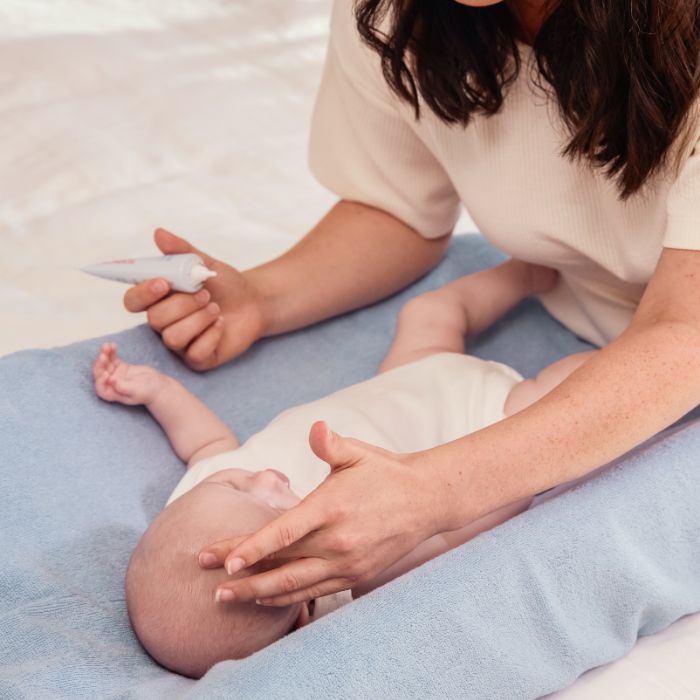
To gently remove cradle cap, adopt a suitable care routine:
This routine will allow you to permanently eliminate dander while enjoying a moment of care that helps calm baby.

To prevent the appearance of cradle cap, follow these recommendations:
Your baby's skin is different from yours. Thinner and more permeable, it is still immature and pa...
Read the article
Soft, delicate, and naturally scented, your baby's skin evokes tenderness and purity. But did you...
Read the article
Have you ever felt lost when looking at the list of ingredients in your skincare products? Don't ...
Read the article
Is your skin hot, tight, red? No doubt it is sensitive , as it is for more than half of the Frenc...
Read the article