
Humectants, émollients, occlusifs : comment bien hydrater sa peau ?
19/03/2026
Comprendre ma peau

Humectants are moisturizing agents capable of attracting water and retaining it in the stratum corneum.
They act as water reservoirs by helping to maintain a good level of surface hydration³.

This molecule, naturally present in the skin, is known for its exceptional ability to retain water (up to 1,000 times its weight in water⁵). In cosmetics, it helps maintain good skin hydration, improves suppleness, and contributes to a plump appearance. Depending on its molecular weight, it acts more or less on the surface or deeper within the skin.

Also known as pro-vitamin B5 (or pantothenic acid), it is converted in the skin into vitamin B5, its biologically active form. Once transformed into vitamin B5, it helps to capture and retain water in the stratum corneum, thus contributing to good surface hydration and giving the skin suppleness and comfort. Panthenol also strengthens the skin's barrier function by stimulating keratinocyte renewal. Well-tolerated, it is frequently included in skincare products for dry, reactive, or aggressor skin.

Aloe vera juice, from a perennial succulent plant, is rich in polysaccharides (mucilage), giving it valuable moisturizing properties. Mucilage helps retain water on the skin's surface, contributing to an immediate feeling of freshness and comfort. Aloe vera is particularly prized in skincare products for sensitive skin or skin exposed to external aggressors.
Naturally present in the skin's natural moisturizing factor (NMF), urea is an effective humectant. At low concentrations, it helps maintain hydration and improve skin elasticity. At higher concentrations, it can also help smooth rough areas. Its dosage should be adjusted to the skin type to ensure comfort and tolerance.

Skin emollients are compounds that fill the space between cells, at the level of the stratum corneum⁶,⁷.
Overall, they act by:
By compensating for the lipid deficiency, they help reduce feelings of dryness and tightness and soften the skin.
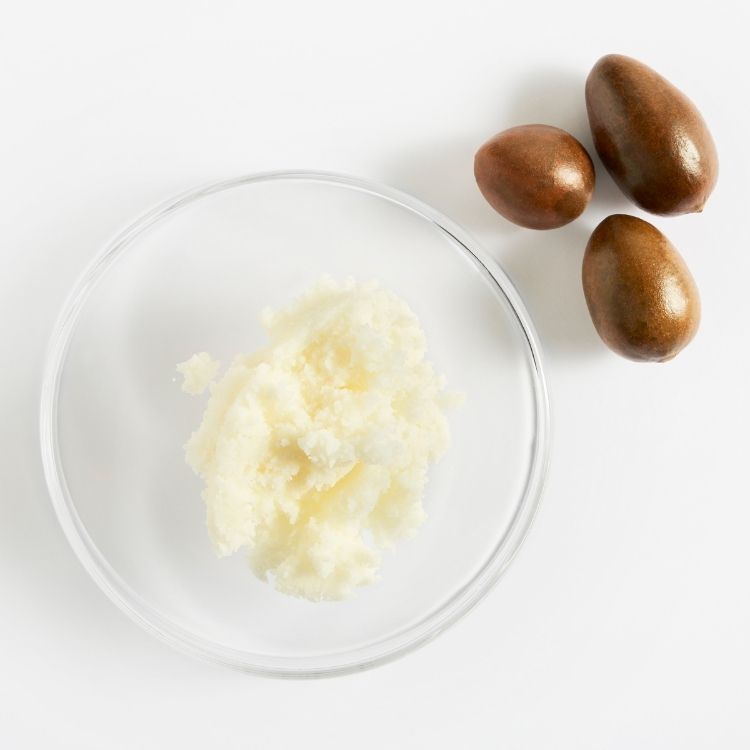
Rich in fatty acids and unsaponifiables, shea butter is a renowned emollient known for its nourishing properties and excellent skin tolerance. It helps strengthen the skin barrier by providing essential lipids and improves skin elasticity. It thus helps reduce feelings of tightness and promotes a softer, more comfortable feel.

Like camelina, flaxseed, sweet almond, safflower, olive, and evening primrose oils, these oils are naturally rich in fatty acids and biomimetic lipid compounds (linoleic acid, triglycerides, phytosterols). Plant oils help fill the spaces between the cells of the stratum corneum, thus supporting skin cohesion. Depending on their composition, they help soften the skin, limit dehydration, and improve comfort, all while respecting the skin's natural balance.

These lipids, naturally present in the stratum corneum, play a key role in the organization and effectiveness of the skin barrier. In cosmetics, the application of ceramides helps to support the barrier function, limit transepidermal water loss, and improve the skin's resistance to external aggressors.

This moisturizing ingredient is a biomimetic form of squalene, a lipid naturally present in human sebum. Squalane is known for its emollient action, acting as an intercellular cement in the stratum corneum. In skincare formulas, it improves skin elasticity and elasticity, and reduces transepidermal water loss, without being occlusive.

While the term "occlusive" may sound negative, occlusive agents actually offer real benefits for the skin. In practice, they don't deliver water to the skin, but rather they deposit on its surface like a protective barrier that reduces water evaporation, helping to maintain skin hydration and prevent dryness. They are particularly recommended for very dry areas.⁸

Like beeswax, candelilla wax, and carnauba wax, waxes are substances rich in fatty acid esters. They form a semi-occlusive protective film on the skin's surface, helping to limit transepidermal water loss . By physically reinforcing the skin's surface barrier, they help preserve hydration and protect the skin from external aggressors (cold, wind, friction). They also add texture and comfort to formulas.

Products like petroleum jelly (petrolatum) and paraffin are considered the gold standard occlusives in dermatology. Their inert, highly film-forming structure creates a particularly effective protective barrier on the skin's surface, effectively limiting transepidermal water loss. They are especially popular for restoring and protecting the skin's barrier function , particularly in cases of severe xerosis, atopic dermatitis, or fragile skin. Contrary to popular belief, the hydrocarbons used in dermocosmetics are highly purified. At TOPICREM , we exclusively select pharmaceutical-grade hydrocarbons that meet the strictest safety and purity standards, guaranteeing optimal tolerance, even for sensitive and reactive skin.
Fatty substances like shea butter, cocoa butter, avocado oil, and castor oil offer a dual benefit in dermocosmetics. Rich in fatty acids, they are excellent nourishing emollients, softening the stratum corneum, strengthening corneocyte cohesion, and providing skin comfort. Furthermore, their dense lipid texture also exerts a moderate occlusive action: by forming a protective film on the surface of the epidermis, they reduce transepidermal water loss and help maintain hydration. Thus, these ingredients nourish the skin while simultaneously contributing to the protection of its barrier function.

Understanding the skin barrier, its protective role and its structure to preserve skin hydration,...
Read the article
In this article, you will find everything you need to know about skin, to better decode and under...
Read the article
Discover our pampering tips for soft and hydrated skin this winter: treatments, exfoliation, and ...
Read the article
Prendre soin de son visage est important. Mais d’autres zones méritent notre attention : ce sont ...
Read the article